What Is Game Physics?
Game physics is a system used in games to simulate how objects move and interact with each other. Instead of animating everything manually, developers use mathematical calculations that imitate real-world physics such as gravity, friction, and collision.
In simple terms, physics helps answer questions like:
- Why does a character fall after jumping?
- Why does a ball bounce?
- Why do objects stop when they hit a wall?
Common Physics Behaviors
Some of the most common physical behaviors simulated in games include:
- Gravity pulling objects downward
- Collision detection between objects
- Friction slowing movement
- Momentum when objects move fast
Example in Games
- A character jumps and then falls due to gravity
- A car slows down when brakes are applied
- A crate stops when it hits a wall
Example Visualization
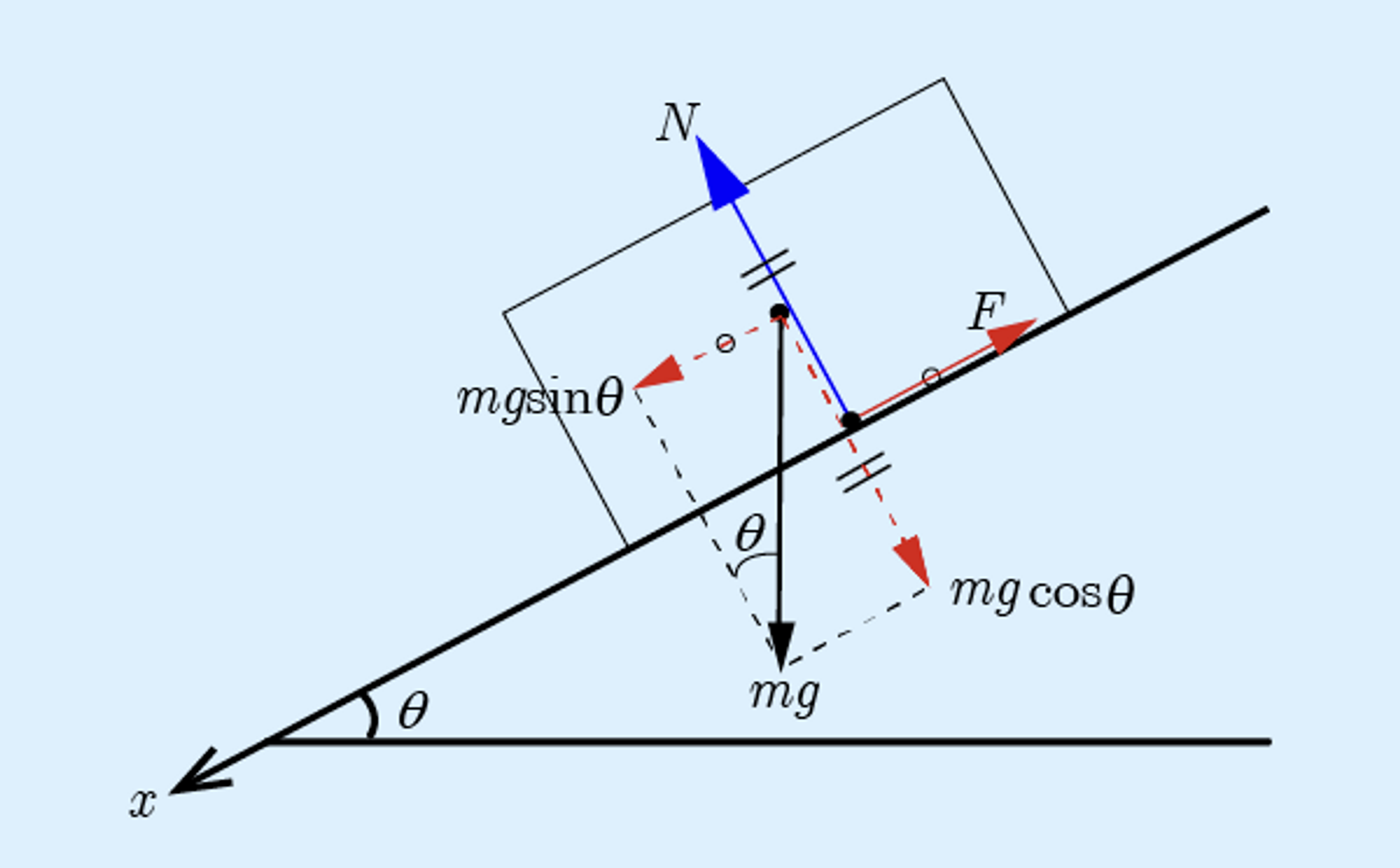
Physics engines like Unity Physics, Havok, and Box2D allow developers to simulate these behaviors automatically.
To learn more about physics engines:
Physics Engine